What would you do differently if you knew solar + batteries would win the race and become the default technology to rapidly transition the world to sustainable energy?
What if the speed of that transition takes even the most optimistic analysts by surprise, and what's our strategy to assist with it at EpiSensor?
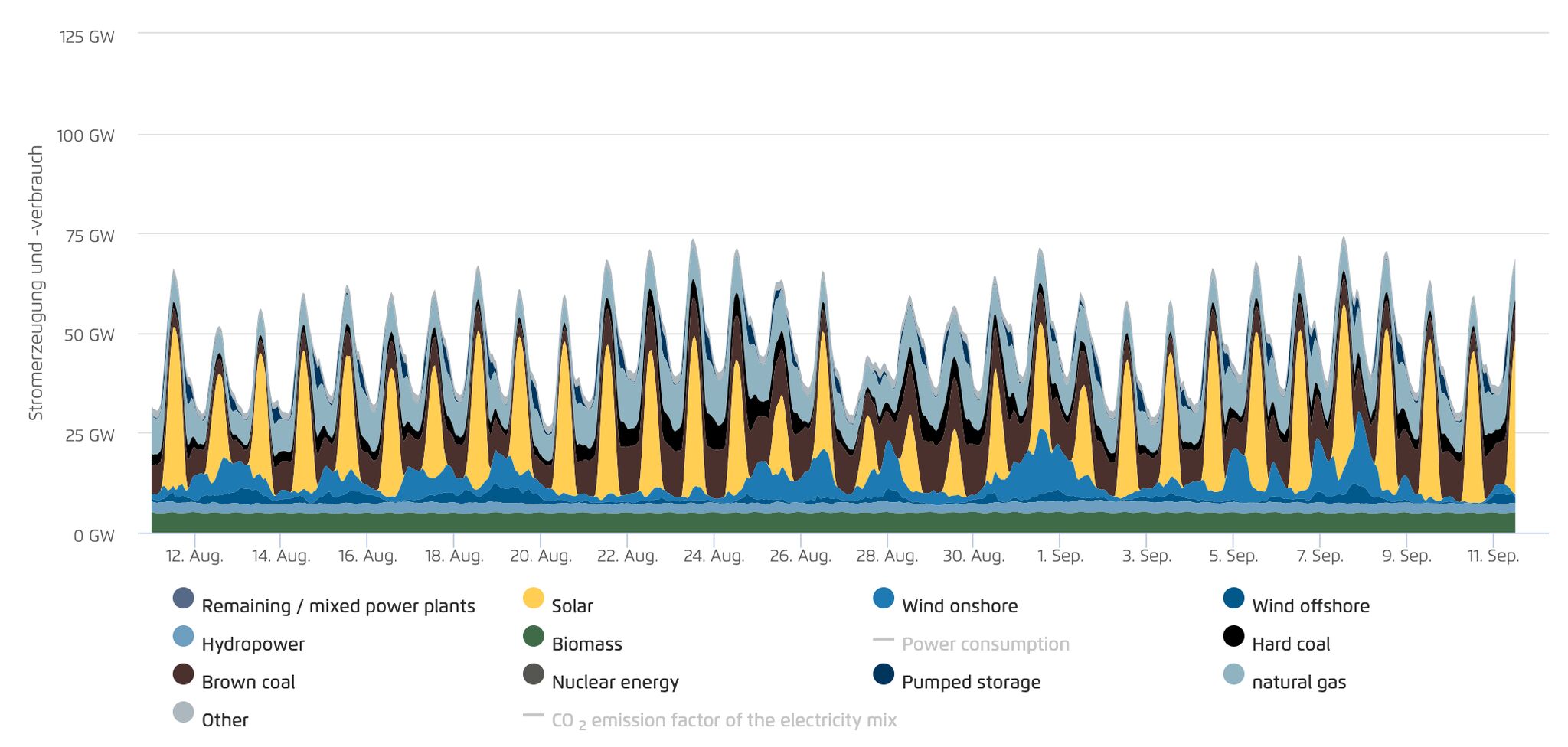
If battery storage capacity lags behind installed solar/renewable capacity (it will), there will be wild peaks of oversupply on the grid. What will we do during those times? Turn down renewables, waste the energy and kill the economics of those projects?
Water boilers are batteries. Refrigerators and HVAC are batteries. Industrial processes are batteries. Intensive compute is a battery. The whole grid needs to get prepared light up at times when we have oversupply, and go dark when supply is constrained.
What’s missing? A specialised IoT infrastructure that can make energy assets aware of conditions on the grid, and make intelligent decisions that improve efficiency, increase profitability and reduce cost - while maintaining stability on the electricity grid. Why specialised? The class of products that have done this job in the past were never designed for connecting millions of assets to the Internet - if you’ve ever worked with them, you know. They’re too difficult to use, too expensive, too slow to deploy.
The belief I've held for many years is that the key to it all, is an industrial-grade, energy-focused IoT infrastructure, wrapped in a consumer-class user experience that anyone can deploy FAST and at low cost, not just experts. That's what we're building at EpiSensor.
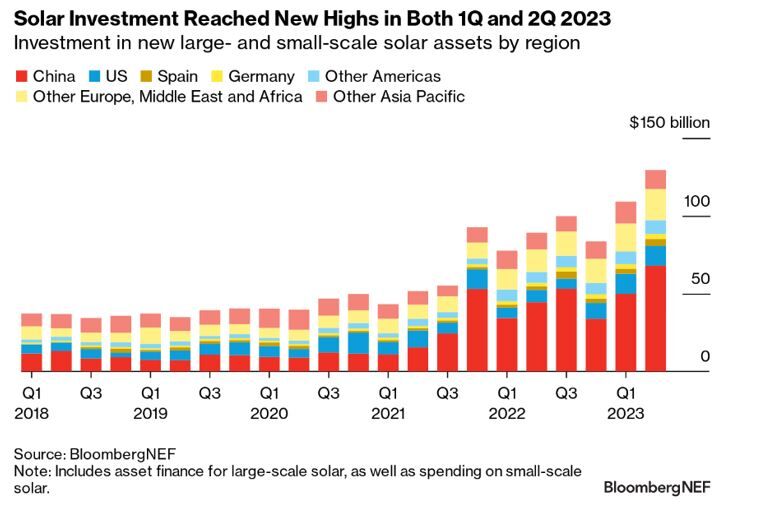
The future is here, it's just not evenly distributed: you can look to little futuristic patches of progress as a proxy for wider adoption of any technology, like EVs in Norway, solar in Germany/China, etc. By "default technology", I mean the lowest risk investment and lowest cost per Watt.